Author

Michael Bartlett

Browsing

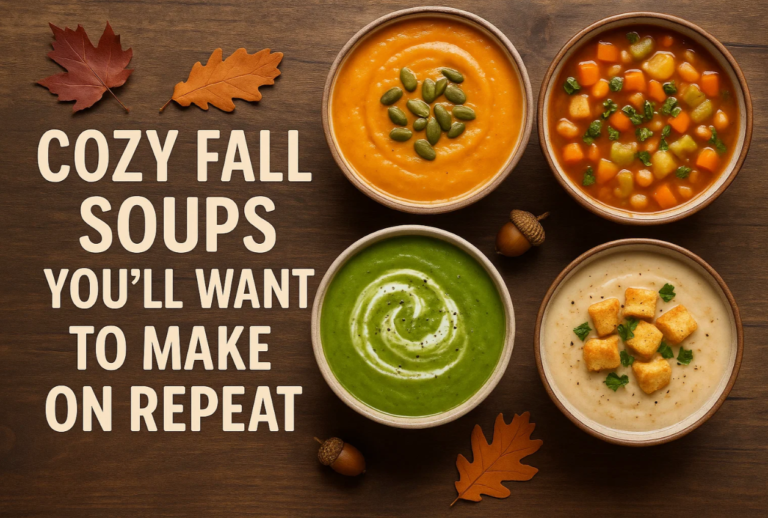
There’s something about the arrival of fall that makes soup feel like the unofficial food of the season. As the air turns crisp and sweaters return to rotation, a warm, simmering pot on the stove feels like the heartbeat of a cozy home. The beauty of soup is that it’s as comforting as it is forgiving—perfect for feeding a group, stretching ingredients, or just enjoying solo with a blanket and a good book.

There’s something timeless about a window planter box. It softens your exterior, adds seasonal color, and brings life right up to your windowpanes. Whether you’re working with a charming cottage or a sleek modern home, planter boxes add a layer of character that feels both intentional and welcoming. And the best part? You don’t need a big budget or a green thumb to pull it off.

There’s no shortage of advice out there about how to start your day. Wake up at 5 AM. Meditate for 20 minutes. Take a cold plunge. Journal, stretch, drink celery juice, run a 10K, read a book. While those habits might work for some, they’re not the only way to have a “successful” morning. In fact, the best morning routine is one that feels natural, nourishing, and sustainable—for you.

Life isn’t always about the big milestones. Sometimes, it’s the everyday moments—the ones we barely notice—that leave the biggest impression. A quiet morning with coffee before the house wakes up. The way sunlight lands on your kitchen counter. A freshly made bed or the scent of clean laundry still warm from the dryer. These aren’t grand gestures, but they hold quiet power. They root us in the present and remind us that joy doesn’t have to be chased. It can be found.

There’s something timeless and welcoming about a well-crafted cheese plate. It’s casual but elevated, comforting but just a little fancy. Whether you’re hosting friends or simply setting out a spread for a cozy night in, a cheese plate is one of the easiest ways to make any gathering feel intentional. The best part? It’s more about balance and creativity than culinary skill.


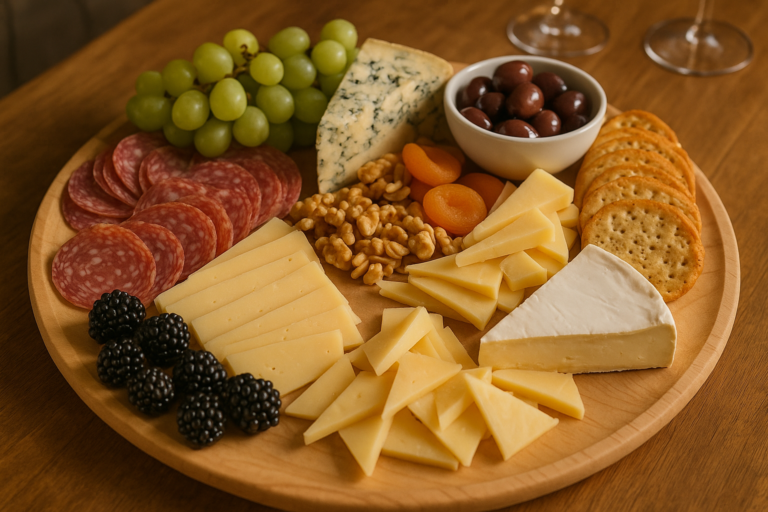
Start with the anchors: the cheese. Three to five options is a sweet spot. Think variety—soft, hard, aged, and maybe something unexpected like a blue or an herbed goat. Place them at different corners of your board or platter to create visual interest, and pre-slice or crumble a few so guests can easily dive in. This isn’t just polite, it adds texture and flow.

Next, build the surroundings. Add a selection of crackers or thinly sliced baguette, layering them in waves or stacks. Then bring in the supporting cast: fresh fruit like grapes, figs, or apple slices; something salty like olives or marcona almonds; and something sweet like honey, jam, or dried apricots. These ingredients aren’t just about taste—they’re part of the design. Think of them like brushstrokes filling the empty spaces and creating contrast.

Finally, step back and edit. Does the board feel full but not crowded? Are the colors and shapes varied? Add sprigs of rosemary or edible flowers if you want a final touch of charm. Remember, you’re not just feeding people—you’re creating a moment. A cheese plate tells your guests, “You’re welcome here.” And that’s what Casa is all about.

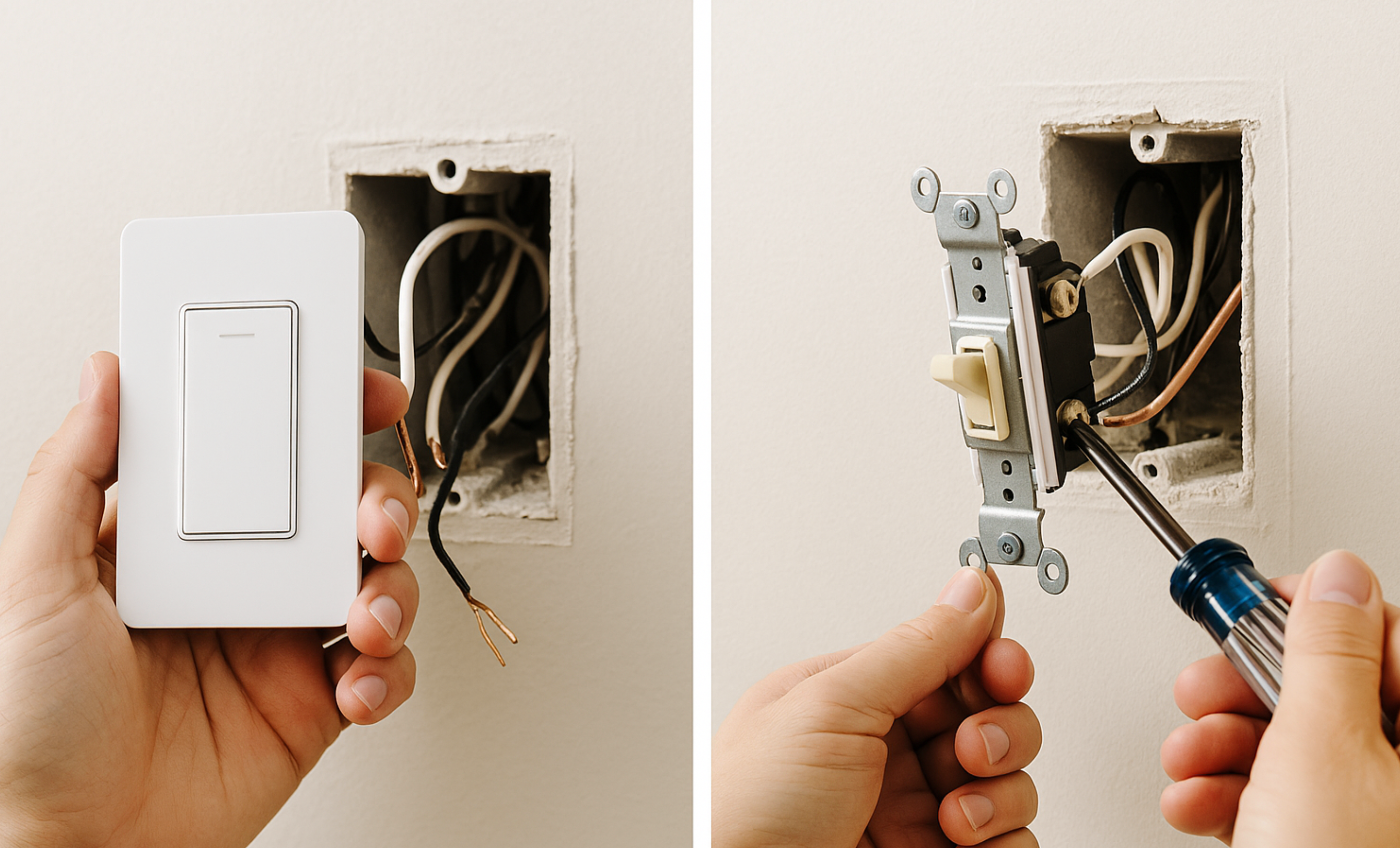
There’s a difference between a house and a home—and it’s not just the people or pets who live there. It’s the subtle details: the way morning light spills over your kitchen counter, the sound of your favorite playlist echoing off freshly painted walls, the soft throw you reach for every evening without thinking. These moments may feel ordinary, but they’re the heartbeat of home.

There’s something deeply satisfying about making something with your own two hands. In a world that moves fast and often values convenience over connection, DIY invites us to slow down, experiment, and be present. Whether it’s building a shelf, repainting a piece of furniture, or crafting seasonal decor, the process itself is a chance to create with intention and enjoy the journey as much as the outcome.