The Art of Designing a Cheese Plate That Feels Effortless (But Isn’t)
Build a cheese plate that feels effortless: pick three to five cheeses, add fruit, salt, and something sweet, then step back and edit.
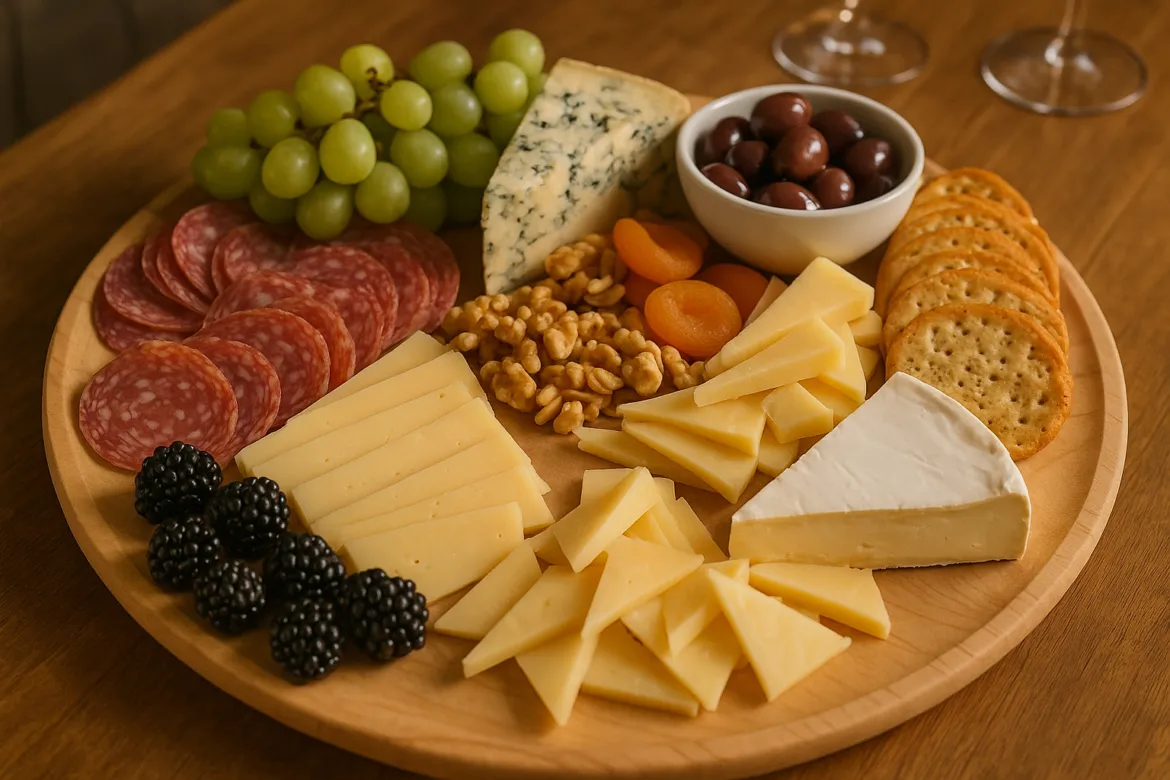
There’s something timeless and welcoming about a well-crafted cheese plate. It’s casual but elevated, comforting but just a little fancy. Whether you’re hosting friends or simply setting out a spread for a cozy night in, a cheese plate is one of the easiest ways to make any gathering feel intentional. The best part? It’s more about balance and creativity than culinary skill.
Start with the cheese
Start with the anchors: the cheese. Three to five options is a sweet spot. Think variety: soft, hard, aged, and maybe something unexpected like a blue or an herbed goat. Place them at different corners of your board or platter to create visual interest, and pre-slice or crumble a few so guests can easily dive in. This isn’t just polite, it adds texture and flow.
Build the surroundings
Next, build the surroundings. Add a selection of crackers or thinly sliced baguette, layering them in waves or stacks. Then bring in the supporting cast: fresh fruit like grapes, figs, or apple slices; something salty like olives or marcona almonds; and something sweet like honey, jam, or dried apricots. These ingredients aren’t just about taste. They’re part of the design. Think of them like brushstrokes filling the empty spaces and creating contrast.
Get the temperature and timing right
Cheese tastes of very little straight from the fridge. Take it out thirty to sixty minutes before guests arrive so the flavors open up and the textures soften. Give each cheese its own knife so a strong blue does not end up on a mild goat, and put out small plates or napkins so people can build their own bite without hovering over the board. If the plate is out for a long evening, keep the soft cheeses in the fridge and refill rather than laying everything out at once.
Choose the board
The board itself matters less than its size. Something large enough that nothing is crowded, but small enough that the arrangement looks abundant: a wooden cutting board, a slate tile, a large plate, or a sheet of baking paper on a tray. Keep the surface plain so the food is the pattern.
Step back and edit
Finally, step back and edit. Does the board feel full but not crowded? Are the colors and shapes varied? Add sprigs of rosemary or edible flowers if you want a final touch of charm, and set out a bottle that plays nicely with a grazing spread. Remember, you’re not just feeding people. You’re creating a moment. A cheese plate tells your guests, “You’re welcome here.” And that’s what Casa is all about.
