The Easy Dinner Party
A few friends, one pot on the stove, and no special occasion. How to host a dinner that feels generous without taking over your week.
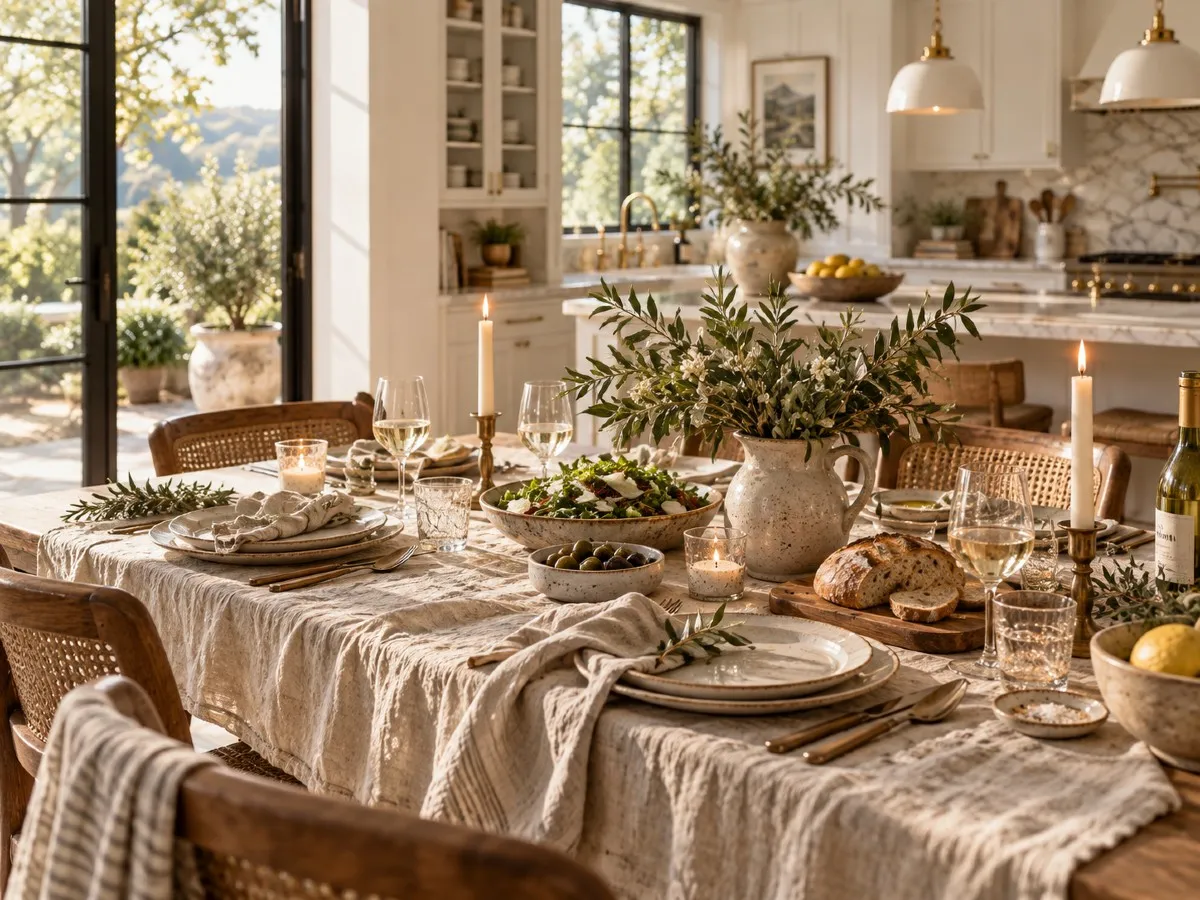
The best dinner parties are rarely the most elaborate ones. They are the evenings where the host is actually at the table, the food arrives without drama, and nobody checks the time. That kind of evening is not luck. It comes from deciding, early, that easy is the point.
Invite fewer people than you think
Four to six guests is the sweet spot for a weeknight. Everyone can hear one another, one conversation can hold the table, and a single pot feeds the room. If your list is growing, save the bigger crowd for a weekend and keep this one small. A short invitation helps too: a day, a time, and a note that it is nothing fancy sets expectations for everyone, including you.
Cook one thing well
Choose a main dish that improves while it sits. A braise, a big tray of roasted vegetables and sausages, a pot of beans with good olive oil, or a simple pasta that comes together in the last ten minutes. Then stop. Bread from a bakery, a bowl of olives, and a green salad dressed at the table are all the sides you need. Dessert can be fruit, a bar of good chocolate broken onto a plate, a lemon cake made that morning, or something a guest offers to bring.
Cook the main dish before anyone arrives. If it is on the stove or in a low oven when the doorbell rings, you can pour a drink and sit down instead of stirring with your back to the room.
Set the table before you shower
A table that is already set changes the mood of the whole evening. Plates, glasses, napkins, and a candle or two take five minutes, and doing it early means the last hour before guests arrive is calm. Do not worry about matching. Mixed plates and mismatched glasses look like a home, because they are one.
Let people help
When someone asks what they can do, give them a real job. Opening the wine, slicing the bread, tossing the salad, or carrying plates to the table makes guests feel like part of the evening rather than an audience. It also frees you to do the one thing a host is actually for, which is paying attention to the people in the room.
Leave the dishes
Clear the plates, stack them by the sink, and go back to the table. The evening is not over when the food is. Some of the best conversations happen over the last of the wine, with the kitchen a little messy and nobody in a hurry to leave. The dishes will still be there in the morning, and they will take less time than you think.
